Category: Poem

  • The Archive and the Body

    The Archive and the Body

    This excerpt is from my new braided memoir–historical fiction novella, A Name Unbroken: The Archive and the Body, which will be published in 2026. The work shifts between the court records of the Salem witch trials and moments from my own life, illustrating how accusation, silence, and survival leave their marks over centuries. Before I even entered the archive of Susannah Martin, I had learned how easily a life can be misunderstood, how the body holds what the record leaves out, and how long it can take to reclaim one’s name. “The Archive and the Body” stands alone as a reflection on those early lessons.

    The Archive and the Body

    I did not know
    a name could tremble
    until mine did.

    December 1969—
    a cold lodged in the teeth
    of every windowpane.
    In the boarding-school dormitory—
    a white-brick mansion
    never meant to house us—
    I locked my door at night
    for the first time,
    hearing boys breathing
    down the hall,
    the radiator ticking beside me—
    a second heart
    I could not steady.

    Rumor moved quicker
    than breath.

    Something worse,
    passed behind cupped hands,
    a phrase in accented English
    that cracked my ribs open
    where I sat:
    Pied Piper to leetle boys.

    Accusation
    is a bitter wind
    that finds its entry
    even when the house
    is sealed.

    The headmaster
    called me son—
    official, practiced,
    not my name,
    a word borrowed
    from another man’s house.
    He wanted truth.
    He wanted confession.
    He wanted to mend
    what he believed was breaking.

    But I had already learned
    the quiet terror
    of being seen
    incorrectly—
    how a single glance
    can warp into suspicion,
    how silence
    becomes evidence
    against the one
    whose name has begun
    to tremble.

    My closest friend vanished.
    My accuser vanished.
    The story folded itself
    into another wind—
    retracted,
    discredited,
    claimed by no tongue
    that carried it.

    I walked the campus
    as the newly visible—
    a silhouette carved
    from rumor,
    stitched back
    with caution,
    wary of every corridor
    that once felt familiar.

    Years later,
    after the snow of that winter
    had been buried,
    I learned a truth
    my younger self
    could not imagine:
    on a bus returning
    from Lincoln Center,
    the boy I believed
    had abandoned me
    took another’s face
    in his hands—
    the boy who once whispered
    the stories that weakened
    my name—
    and slammed loyalty into him
    with a suddenness
    like judgment breaking open.

    He fought
    with a fury
    I would never claim,
    broke a tooth
    for my name,
    took back the rumor
    by force
    when I could not
    shape a single word.

    But I did not know.
    Not then.
    Not when it mattered.
    The loneliness was real
    even if the loyalty
    was too.

    This contradiction
    became my first archive:
    the locked door,
    the whisper,
    the weight loss
    read as omen,
    the friend who vanished,
    the friend who had not,
    the bruise held quietly
    in another boy’s jaw
    because he had spoken
    my trembling name
    with contempt.

    I had survived
    my first trial
    without knowing
    I was on trial.

    And something in me tightened
    that winter—
    a thread pulled
    too hard,
    too long.

    The body remembers
    what the world forgets.
    Shame stores itself
    like a keepsake
    we never meant to save.

    Every story begins
    with the wound
    we do not name
    until it is echoed
    in another.

    Joseph’s frostbitten fear
    would find me later.
    Susannah’s defiance,
    later still.

    But this—
    this was the first tremor,
    the first whisper teaching me
    how a life can be misread
    in a single season,
    and how long it takes
    to lift a name back
    from another’s grasp
    and learn to speak it
    as your own.


  • 13 Ways of Looking at a Piano

    13 Ways of Looking at a Piano

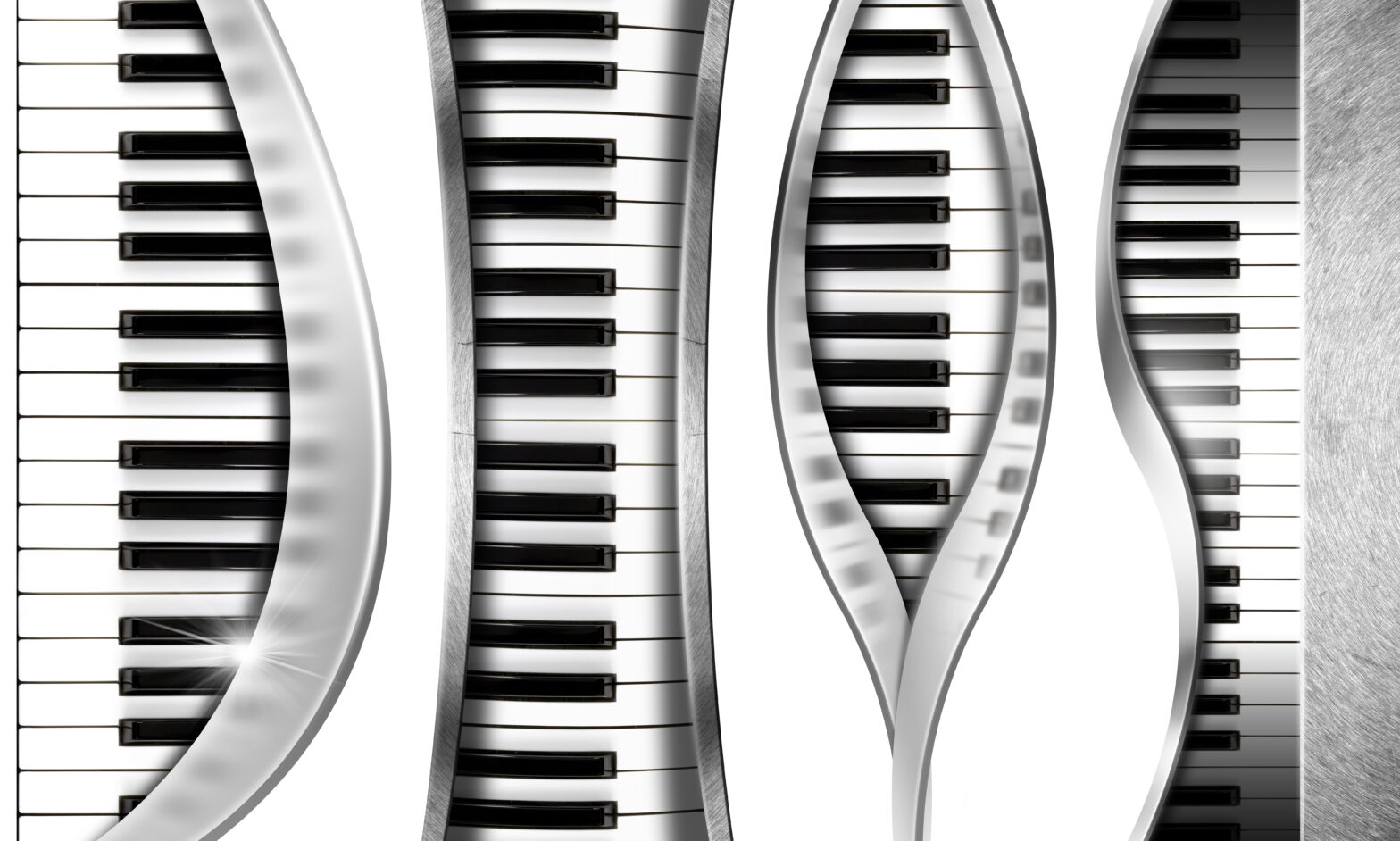
    13 Ways of Looking at a Piano
    after Wallace Stevens

    I
    Among twenty drowsy
    Musicians,
    The only moving thing
    Was one hammer of the piano.

    II
    I was of three minds,
    Like ten fingers
    Playing on three pianos.

    III
    The piano clinked in the
    Auditorium’s silence.
    It was a small part of the
    Performance.

    IV
    A left hand and right hand
    Are two.
    A left hand, a right hand and a
    Piano
    Are one.

    V
    I do not know which to prefer,
    The beauty of harmonics
    Or the Beauty of glissandos,
    The piano sounding
    Or the silence after.

    VI
    Cocktail ice rattled sweaty glasses
    blemishing the piano’s top
    As bleachy smoke rings signaled
    insufferable sorrow.

    VII
    The poor people of Trenton
    Dream of more colorful
    sounds,
    While the piano
    Plays hymns at the gravestones
    Of our ancestors.

    VIII
    I know Bach and Beethoven’s
    Complicated tunes;
    But I know
    The piano knows
    What I know, too.

    IX
    When the piano is out
    Of sorts,
    I pick up my phone
    And call the tuner.

    X
    At the sound of pianos
    Playing out of tune,
    All the bards of polyphony
    Shout out in dismay.

    XI
    He rode through New Jersey
    In a beat-up Porche.
    One time he mistook
    A passing car
    For a piano and honked.

    XII
    My ears are humming.
    It must be the piano praying.

    XIII
    “It rained all day
    The night I left,
    The weather it was dry,”
    I plucked my banjo on its strings,
    Oh, piano, don’t you cry.

    Photo credit: Donald Proffit

  • Under a Bali Moon

    Under a Bali Moon

    Under a Bali Moon
    
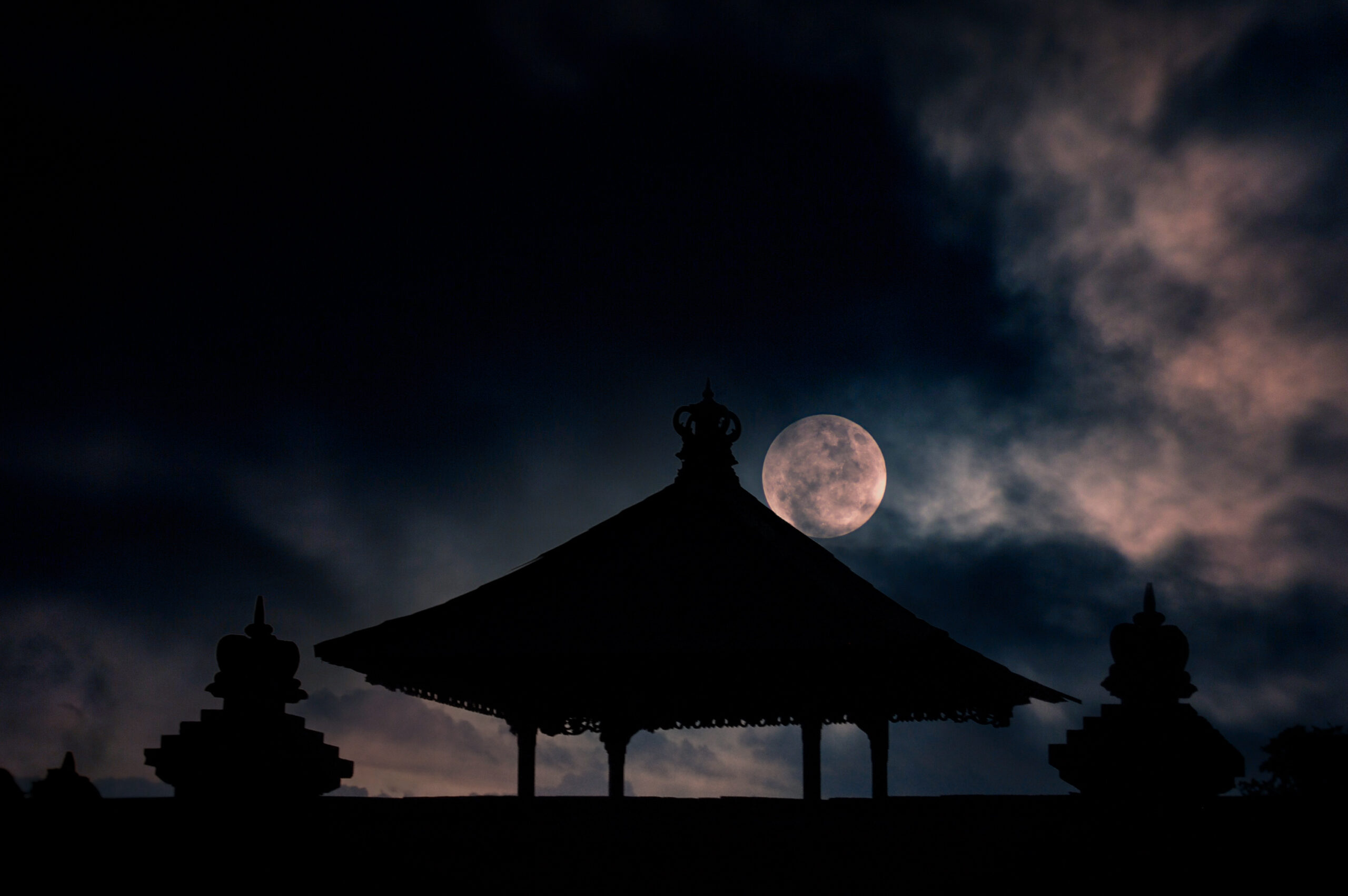
    Among treetops under a Bali moon
    moist in the heat after dusk,
    I’d sat in this spot the year before,
    came back with a friend in tow.
    I waited while she lifted her spoon 
    in anticipation. “Luscious.” 
    She licked the caramelized crust,
    spoon dipping deep scooping up 
    what lurked below. Its creaminess 
    hung between liquid and solid, 
    clung to our spoons with hints 
    of vanilla and orange, both local, 
    that fragrantly masked a deadlier foe: 
    the cholesterolized duo: rich cream and eggs.
    
    Three weeks after I’m flat on my back, 
    the doctor inserted three stents in my heart,
    “What have you been eating?”
    I licked lips, held in my breath,
    and then he implanted an additional stent.

    Photo credit: Chris Mat

  • Untuned

    Untuned

    Untuned
    
    You sit unused under the archway 
    between here and there
    next to the couch, also black.
    Don’t know why I avoid you so, 
    I love you so and when we’re together 
    we’re harmoniously transformed.
    
    Yet, something’s off. 
    
    It must be the river, 
    its dampness lingers within you 
    sliding along the skin of your tendons, 
    lubricating, loosening ever so slightly, 
    not seen but heard and so offensive 
    should I dare to touch you
    or move to reanimate 
    a long ignored suite by Bach 
    or Britten opus, 
    a piece of Mahler, 
    or Richard Rodgers.
    
    I’m not cheap so what’s the problem?
    
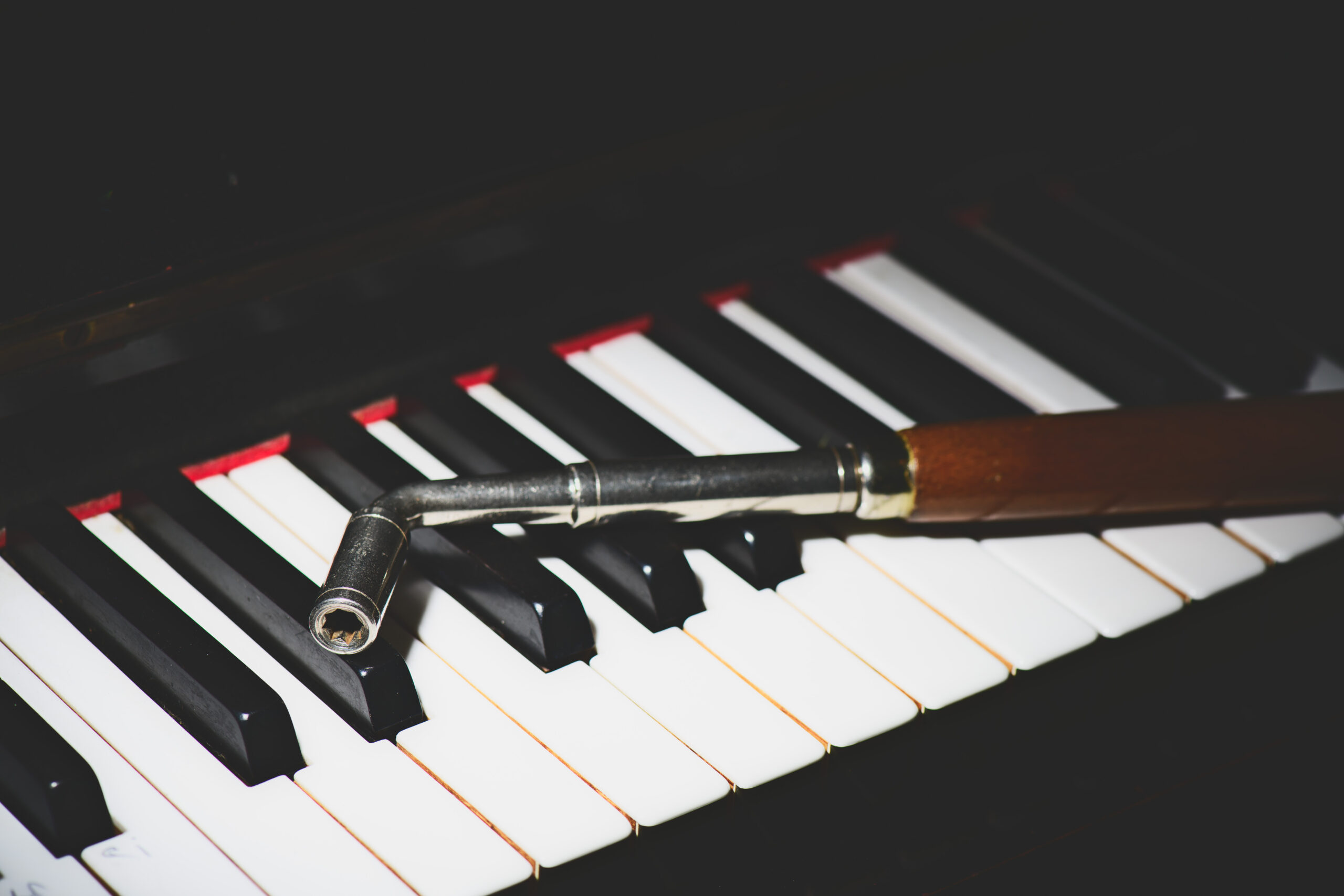
    The kit and key you came with sit 
    in the drawer in the kitchen corner. 
    A mitt and cream, so little effort
    and then you shine beside the matted couch. 
    
    I make the call and wait until the time arranged 
    and greet the man with tool-filled case
    to tighten taut your strings in tune 
    for just a couple hundred dollars
    
    so I can sit before you turning pages
    under the archway just us two,
    next to the couch who now requests
    a song by Stephen Sondheim. 

    Photo credit: michelangeloop

  • Flesh Eater

    Flesh Eater

    “The trouble with a secret life is that it is very frequently a secret from the person who lives it and not at all a secret for the people he encounters.”

    James Baldwin, Another Country

    That’s how James Baldwin describes the fallacy of believing he is living a secret life and how it’s only a secret to himself and not at all to those around him, who know him or who encounter him each day. For those who see the secret before the dissembler does, they have a way of laying him bare, sometimes to cause harm, sometimes not. My being laid bare came with a name scrawled on a boys’ locker room wall in an Illinois high school in 1965.

    Flesh Eater
    
    Whispered around me, irritating
    like a cloud of gnats 
    swirling around my head
    in the sheltered harbor of
    a classroom; in hallways
    with no teachers about,
    shouted loud enough to sting,
    again, again, again.
    
    Flesh Eater
    
    Conceived
    months before,
    in a ski lodge bed
    above the Mississippi,
    but never uttered,
    the name saved for later,
    by a boy
    with a felt tip marker
    sketching dreams
    late at night, 
    wide awake, 
    a whispered conversation.
    
    Ever done it with a guy?
    My queried passion bred
    an answer 
    on proper technique that
    he expected. 
    Right Guard-laced 
    sweat, metallic taste, 
    an almost heaven
    followed by shame.
    
    A rural roadside ditch, 
    gravel scarring knees
    my only footing,
    leaning in, caressing
    backseat-straddled thighs
    as rows and rows of corn stalks
    penetrate spring soil.
    
    For the last time,
    still nameless, still safe
    but for the
    interrupting stillness,
    an eerily green sky,
    a felt tip marker in his hand.
    
    Like Dorothy 
    outrunning 
    the twister,
    outrunning fate,
    but no cellar shelter waits,
    only my mother, 
    an agitated and angry Auntie Em, 
    wondering why I’m late 
    where I was, 
    why my knees are caked in dirt
    as the town's sirens wail: 
    take cover. 
    
    Names are born
    on locker room walls
    and sometimes it’s 
    yours, no matter
    how much you deny it,
    and you learn what you are
    in third period
    English
    right before lunch.
    
    Flesh Eater

    Photo credit: Stephen Barnes